

 Send Email
 whatsapp


Nonwoven Dusting Cloths Explained for Healthcare Professionals
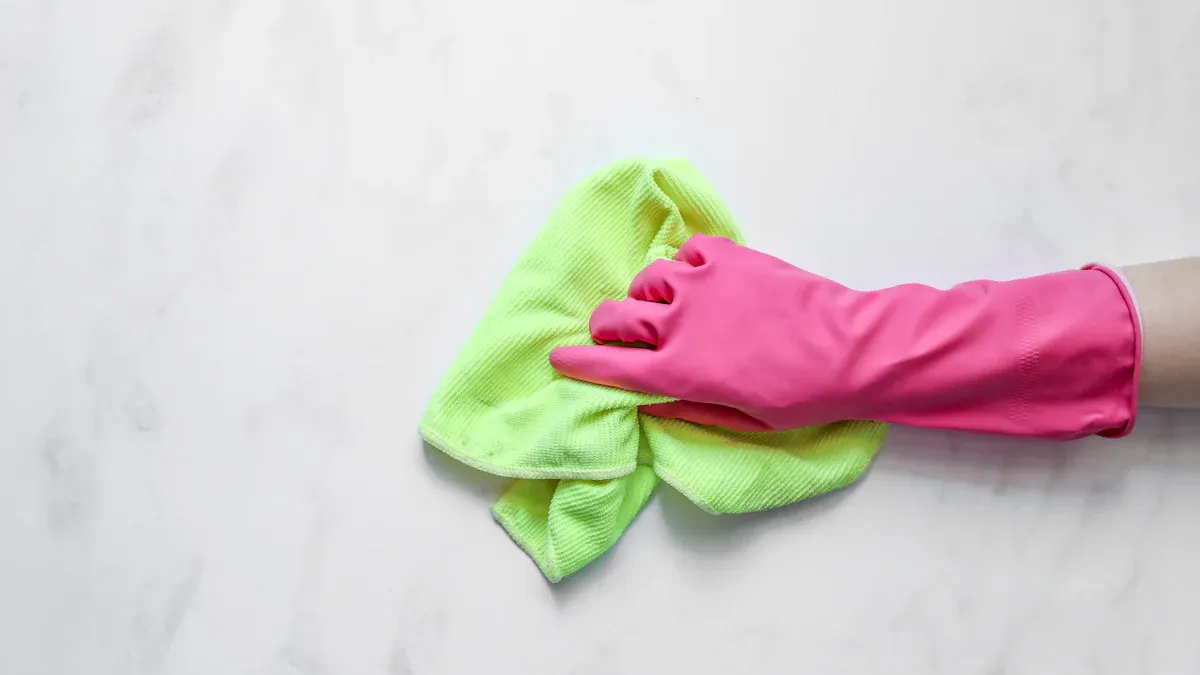
Nonwoven Dusting Cloths are made from fibers bonded together through chemical, mechanical, or thermal processes. Unlike woven fabrics, they don’t have interlaced threads, making them ideal for healthcare use. Hospitals rely on these cloths to maintain hygiene and prevent infections. According to WHO, healthcare-associated infections (HAIs) affect 10% of patients, but proper cleaning tools can reduce them by 30%. Nonwoven dusting cloths trap dust and germs effectively, minimizing cross-contamination risks in critical environments.
Key Takeaways
- Nonwoven dusting cloths help stop infections in healthcare places. They catch dust and germs well, lowering the chance of spreading germs.
- These cloths are strong and don’t leave lint, so they are safe for cleaning delicate medical tools without leaving bits behind.
- Picking eco-friendly nonwoven cloths helps hospitals stay clean while caring for the environment.
Properties and Benefits of Nonwoven Dusting Cloths
High Absorbency and Dust Trapping
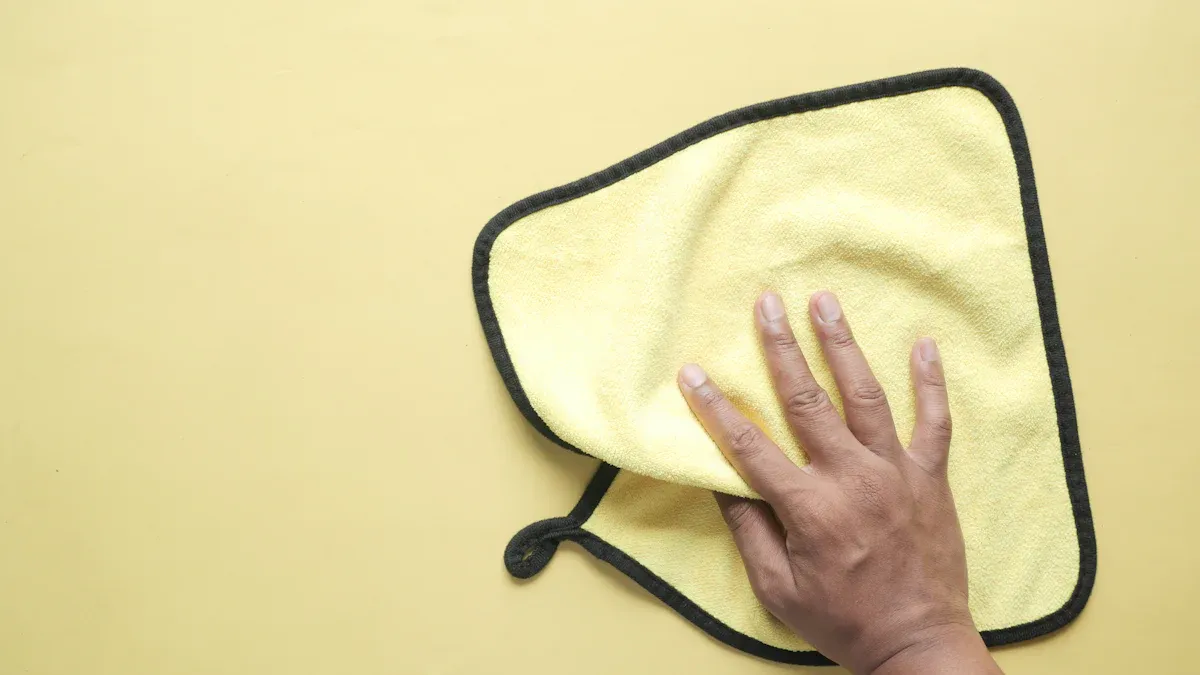
Nonwoven dusting cloths excel at absorbing liquids and trapping dust particles. Their unique structure, made from bonded fibers, allows them to hold more moisture compared to traditional woven cloths. This makes them ideal for cleaning spills and wiping surfaces in healthcare settings. Hospitals increasingly prefer these cloths due to their ability to capture fine dust and germs, reducing the risk of contamination.
The demand for cleaning materials with superior absorbency and antimicrobial properties has surged, especially in hospitals. Advances in microfiber technology have further enhanced the efficiency of nonwoven dusting cloths. The COVID-19 pandemic has also amplified the need for disposable cleaning solutions to prevent cross-contamination.
These cloths are not just practical but also align with the growing preference for eco-friendly cleaning products. Their ability to trap dust and germs effectively makes them indispensable in maintaining hygiene in clinical environments.
Durability and Lint-Free Performance
Nonwoven dusting cloths are built to last. Their durability ensures they can withstand repeated use without tearing or losing effectiveness. Unlike woven cloths, they don’t shed lint, which is crucial when cleaning sensitive medical equipment.
| Test Type | Description | Reference Standard |
|---|---|---|
| Abrasion Resistance Test | Evaluates the physical properties and dust generation during abrasion. | Pollution control range |
| Basis Weight Test | Measures weight per unit area of the cloth. | ASTM-D-3776 |
| Absorption Rate Test | Assesses liquid absorption capacity and speed. | IEST-RP-CC004.3 |
| IC Test | Quantifies inorganic anion and cation content. | IEST-RP-CC004.3 |
| NVR Test | Tests non-volatile residue per unit area. | IEST-RP-CC004.3 |
| LPC Test | Measures liquid dust particles on the cloth. | IEST-RP-CC004.3 |
| FTIR Test | Analyzes for unwanted chemical residues. | Industry standards |
| GC Test | Analyzes organic contaminants on the cloth. | Industry standards |
These performance tests highlight the reliability of nonwoven dusting cloths in healthcare environments. Their lint-free nature ensures that no particles are left behind, making them a trusted choice for cleaning operating rooms and other sterile areas.
Softness and Non-Abrasive Nature
Nonwoven dusting cloths are gentle on surfaces. Their soft texture makes them perfect for cleaning delicate medical equipment without causing scratches or damage. Healthcare professionals rely on these cloths to clean sensitive devices like monitors and surgical tools.
Nonwoven dusting cloths are designed to be non-abrasive, ensuring they don’t harm fragile surfaces. The combination of polyester and cellulose in these cloths provides both strength and absorbency, making them effective yet gentle.
The PurWipe N2 nonwoven microfiber wipe is a prime example of this softness. Manufactured in cleanroom environments, it remains free from contaminants and safe for sensitive applications. Its smooth texture enhances usability, ensuring thorough cleaning without compromising the integrity of the equipment.
Applications of Nonwoven Dusting Cloths in Healthcare
Infection Control and Hygiene Maintenance
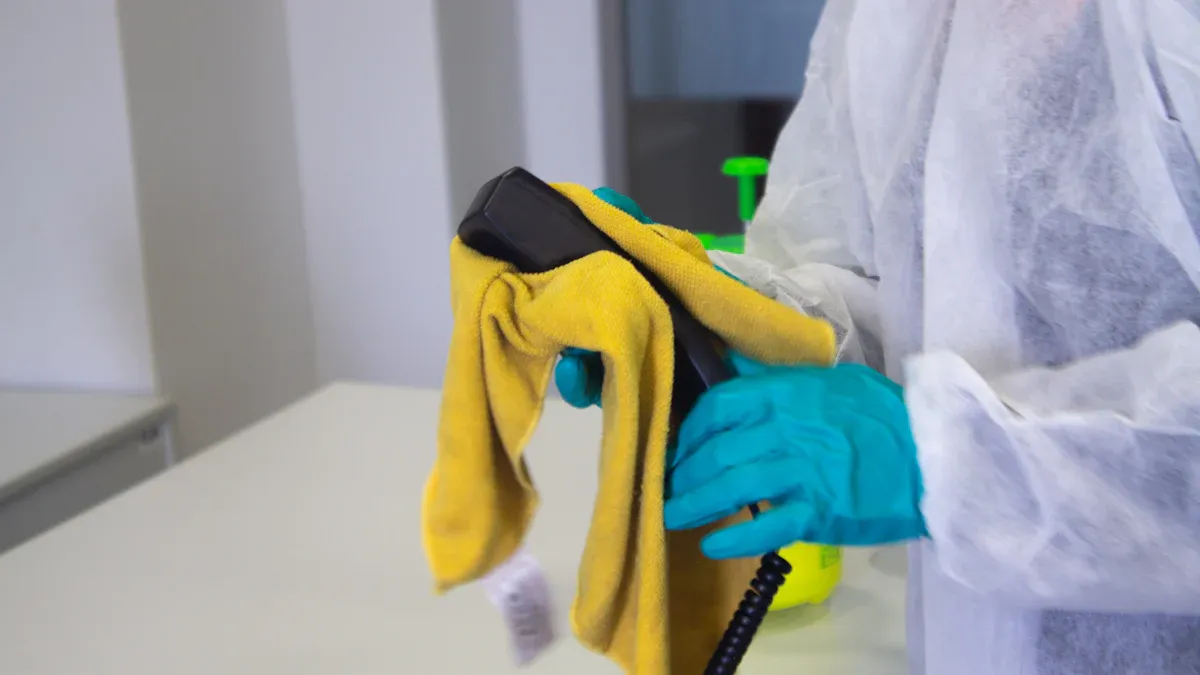
Hospitals and clinics prioritize infection control. Nonwoven dusting cloths play a vital role in maintaining clean and germ-free environments. These cloths effectively remove dust, dirt, and harmful microorganisms from surfaces. Their high absorbency ensures that cleaning solutions spread evenly, leaving no residue behind.
Healthcare professionals often use these cloths to clean high-touch areas like door handles, bed rails, and countertops. These surfaces can harbor bacteria and viruses, increasing the risk of infections. By using nonwoven dusting cloths, staff can ensure thorough cleaning and reduce the spread of pathogens.
Tip:Regularly replacing Cleaning Cloths is essential to maintain hygiene. Disposable nonwoven dusting cloths are a convenient option for infection-prone areas.
Cleaning Sensitive Medical Equipment
Medical equipment requires special care during cleaning. Nonwoven dusting cloths are ideal for this task due to their softness and lint-free properties. They clean delicate surfaces without leaving scratches or particles behind.
Devices like monitors, surgical tools, and diagnostic machines need regular cleaning to function properly. Nonwoven dusting cloths ensure these tools remain free from dust and contaminants. Their non-abrasive nature makes them safe for even the most sensitive equipment.
- Why Nonwoven Dusting Cloths Work Best for Medical Equipment:
- They don’t shed fibers, ensuring no debris is left behind.
- Their high absorbency allows for effective cleaning with minimal effort.
- They are compatible with most cleaning agents used in healthcare.
Prevention of Cross-Contamination
Cross-contamination is a significant concern in healthcare. Nonwoven dusting cloths help minimize this risk by trapping and holding contaminants. Their disposable nature makes them a hygienic choice for cleaning multiple areas.
For example, using the same cloth to clean a patient’s room and a surgical suite can spread germs. Nonwoven dusting cloths eliminate this issue by offering single-use options. This reduces the chances of transferring bacteria or viruses between spaces.
Note: Always use separate cloths for different areas to maintain strict hygiene protocols. Nonwoven dusting cloths make this practice easier and more efficient.
Healthcare facilities worldwide rely on these cloths to maintain cleanliness and protect patients. Their versatility and effectiveness make them a must-have tool in infection control strategies.
Nonwoven vs. Woven Cloths: Key Differences
Structural and Material Differences
Nonwoven and woven cloths differ significantly in how they’re made and what they’re used for. Woven fabrics are created by interlacing threads in a crisscross pattern, making them strong and durable. Nonwoven fabrics, on the other hand, are made by bonding fibers together using heat, chemicals, or pressure. This process gives nonwoven cloths their unique texture and flexibility.
Here’s a quick comparison:
| Fabric Type | Characteristics | Common Products Made from This Fabric Type |
|---|---|---|
| Woven Fabrics | Cost-effective, durable, made by weaving threads together, strong barrier. | Clothing, bed linens, towels, upholstery, tablecloths, jeans, etc. |
| Non-Woven Fabrics | Made from bonded fibers, often cheaper, liquid resistant, stretchable, less durable than woven. | Disposable face masks, wipes, medical gowns, diapers, filters, etc. |
Nonwoven cloths are lightweight and disposable, making them ideal for healthcare settings where hygiene is critical.
Performance and Hygiene Advantages
Nonwoven cloths outperform woven ones in healthcare environments. Their ability to trap dust and absorb liquids makes them more effective for cleaning. Unlike woven fabrics, they don’t shed lint, which is essential when cleaning sterile areas. Their single-use nature also reduces the risk of spreading germs.
Woven cloths, while durable, can retain bacteria if not cleaned properly. Nonwoven cloths eliminate this concern by offering disposable options. This makes them a safer and more hygienic choice for hospitals and clinics.
Suitability for Healthcare Environments
Nonwoven cloths are tailor-made for healthcare. Their softness ensures they won’t damage sensitive equipment, while their high absorbency makes cleaning quick and efficient. They’re also compatible with most disinfectants, which is a big plus.
Hospitals often prefer nonwoven cloths for their convenience and reliability. Their disposable nature aligns perfectly with strict hygiene protocols, ensuring a cleaner and safer environment for patients and staff.
Cost-Effectiveness of Nonwoven Dusting Cloths
Balancing Quality with Affordability
Nonwoven dusting cloths strike the perfect balance between quality and affordability. Healthcare facilities often look for cleaning solutions that deliver excellent performance without breaking the budget. These cloths meet that need by offering high absorbency, durability, and hygiene at a reasonable cost.
Consumers increasingly prefer products that combine efficiency with sustainability. Nonwoven cloths, especially those made with advanced microfiber technology, can remove up to 99% of bacteria. This reduces the need for excessive chemical use, saving money on cleaning agents. Their versatility also makes them a practical choice for various cleaning tasks, enhancing their value for money.
Long-Term Savings from Reduced Replacement Needs
Investing in high-quality nonwoven dusting cloths can lead to significant long-term savings. While disposable options may seem cost-effective initially, frequent replenishment adds up over time. For instance, a 500-bed hospital generates around 39 pounds of daily waste from disposable cleaning tools. This waste not only increases operational costs but also requires additional labor for inventory management and disposal.
Reusable nonwoven cloths, on the other hand, last through multiple uses. Their durability reduces the need for constant replacements, saving money in the long run. Facilities also save on storage space and training costs, as staff require less time to manage these efficient cleaning tools.
Examples of Economical Nonwoven Options
Healthcare professionals have access to a wide range of economical nonwoven dusting cloths. Many manufacturers now focus on creating eco-friendly and cost-effective products to meet consumer demand. Zhejiang E-sun Environmental Protection Technology Co., Ltd. is a trusted supplier offering over 120 types of cleaning products, including nonwoven cloths tailored for healthcare. Their commitment to quality ensures that facilities receive durable and affordable solutions.
These cloths are designed to be easy to use and versatile, making them a smart investment for hospitals and clinics. By choosing reliable suppliers like E-sun, healthcare facilities can maintain hygiene standards while staying within budget.
Environmental Impact of Nonwoven Dusting Cloths
Sustainability Challenges and Solutions
Nonwoven dusting cloths offer convenience, but their environmental impact raises concerns. Many are made from synthetic materials like polypropylene, which take years to decompose. Healthcare facilities often rely on disposable options, leading to significant waste. This creates challenges for sustainability, especially in high-waste environments like hospitals.
Manufacturers are addressing these issues by developing biodegradable and compostable alternatives. Some companies now use plant-based fibers or recycled materials to reduce reliance on petroleum-based products. These innovations aim to balance hygiene needs with environmental responsibility. Healthcare professionals can support these efforts by choosing suppliers committed to sustainability.
Eco-Friendly and Recyclable Alternatives
Eco-friendly nonwoven cloths are gaining popularity. They combine performance with environmental benefits, making them ideal for healthcare settings. Several brands have introduced recyclable and biodegradable options that meet strict hygiene standards.
| Evidence Description | Key Features |
|---|---|
| Evolon fabrics used for cleaning | Increased durability, raw material savings, eco-efficiency |
| Freudenberg's Eco-Check label | Identifies sustainable products based on resource savings and reduced impact |
| Fitesa's BioBase PLA Soft nonwovens | Made from 100% renewable, compostable resin, superior soft touch |
These alternatives reduce waste and promote resource efficiency. Healthcare facilities can explore products like Fitesa’s BioBase PLA Soft nonwovens, which are compostable and made from renewable materials. Choosing such options helps minimize the environmental footprint while maintaining cleaning effectiveness.
Best Practices for Disposal
Proper disposal of nonwoven dusting cloths is essential for reducing environmental harm. Healthcare facilities should separate biodegradable cloths from regular waste. Composting stations can handle plant-based options, while recycling programs can process synthetic materials.
Staff training plays a key role in disposal practices. Clear guidelines ensure cloths are discarded responsibly. Facilities can also partner with suppliers offering take-back programs for used products. Zhejiang E-sun Environmental Protection Technology Co., Ltd., for example, emphasizes eco-friendly solutions and supports sustainable disposal methods.
By adopting these practices, healthcare professionals can contribute to a cleaner planet while maintaining high hygiene standards. Small changes in disposal routines can make a big difference in reducing waste and protecting the environment.
Nonwoven dusting cloths offer numerous benefits for healthcare professionals. They enhance infection control by reducing cross-contamination risks and improve operational efficiency with their cost-effective, disposable design.
- Promote sustainability by addressing environmental concerns.
- Ensure patient safety with superior hygiene standards.
Zhejiang E-sun Environmental Protection Technology Co., Ltd. provides high-quality, eco-friendly cleaning solutions tailored for healthcare needs.
FAQ
What makes nonwoven dusting cloths better for healthcare cleaning?
Nonwoven cloths trap dust and germs effectively. They’re lint-free, soft, and disposable, making them ideal for maintaining hygiene in healthcare settings.
Can nonwoven dusting cloths be reused?
Some nonwoven cloths are reusable, but disposable options are preferred for infection control. Always check product specifications for reuse guidelines.
Are nonwoven dusting cloths eco-friendly?
Many brands offer biodegradable or recyclable options. Zhejiang E-sun Environmental Protection Technology Co., Ltd. specializes in eco-friendly nonwoven cleaning products.